![Dropshipping Market Reaches $435 Billion with 22% Annual Growth [2026 Analysis]](/_next/image?url=%2Fimages%2Fblog%2Fdropshipping-market-growth.webp&w=1200&q=75)
Dropshipping Market Reaches $435 Billion with 22% Annual Growth [2026 Analysis]
John Choi
E-commerce StrategyFounder of Rivalert
Is dropshipping still worth it in 2026? The numbers say yes. According to Precedence Research via Oberlo, the global dropshipping market reached an estimated $435 billion in 2025 and is projected to grow at a compound annual growth rate (CAGR) of 22-24% through 2030—reaching over $1.25 trillion according to Grand View Research.
That's not marginal growth. That's an industry nearly tripling in size over the next five years.
For ecommerce entrepreneurs, this represents a massive opportunity—but also intensifying competition. Here's what the market data reveals and how to position yourself to capture your share.
Key Takeaways
- Market size: $435 billion in 2025, projected to reach $1.25 trillion by 2030
- Growth rate: 22-24% CAGR—one of the fastest-growing ecommerce segments
- Largest category: Fashion & apparel (34%+ market share)
- Fastest-growing category: Food & personal care (23.6% CAGR)
- Retailer adoption: 27% of online retailers now use dropshipping
- Success rate: Only 10-20% of dropshipping businesses succeed long-term
The Dropshipping Market by the Numbers
Let's break down the key statistics from major market research firms:
Market Size Projections
*Source: Oberlo/Precedence Research, Grand View Research. 2026 figure calculated based on 23.6% CAGR.
Regional Market Distribution (2023)
Source: Oberlo/Precedence Research (2023 data)
Market Size Varies by Source
Different research firms report slightly different figures: Oberlo/Precedence Research estimates $351.8 billion (2024), while Market.us reports $349 billion. Grand View Research projects $1.25 trillion by 2030 at 22% CAGR. The consensus is clear: the market exceeds $435 billion in 2025 and is growing rapidly at 22-24% annually.
Why the Dropshipping Market Is Growing So Fast
Several factors drive the 22% annual growth rate:
1. E-commerce Acceleration
Global ecommerce continues expanding, with more consumers comfortable buying online. According to Statista via Oberlo, there are now over 288 million online shoppers in the US alone—a figure expected to surpass 300 million by 2026.
2. Lower Barriers to Entry
Platforms like Shopify, WooCommerce, and BigCommerce make launching an online store easier than ever. Combined with dropshipping suppliers, entrepreneurs can start selling without:
- Warehouse space
- Inventory investment
- Fulfillment infrastructure
- Manufacturing capabilities
3. Supplier Infrastructure Maturation
The supplier side of dropshipping has professionalized. Services like AliExpress, Spocket, Printful, and domestic wholesale platforms now offer:
- Faster shipping options
- Better quality control
- Automated order processing
- More reliable tracking
4. Mobile Commerce Growth
Mobile shopping now accounts for a significant portion of ecommerce. This always-available shopping behavior increases total transactions, benefiting dropshipping stores alongside traditional retailers.
5. Social Commerce Integration
Platforms like TikTok Shop, Instagram Shopping, and Facebook Marketplace create new sales channels for dropshippers to reach customers where they already spend time.
27% of Retailers Now Use Dropshipping
The dropshipping model has gone mainstream. According to industry research, over 27% of online retailers now use dropshipping as their primary fulfillment method.
This matters for two reasons:
- Validation: Major retailers validate the model's viability
- Competition: More players mean more competitive pressure
The 27% figure also means 73% of retailers don't dropship—significant room remains for adoption and growth.
Automate Your Competitor Monitoring
Stop manually checking competitor prices. Rivalert tracks changes and sends you alerts automatically.
What Categories Drive Dropshipping Growth?
Not all product categories grow equally. Here's where the opportunity concentrates:
Fashion & Apparel (34%+ Market Share)
According to Grand View Research, fashion accounts for over 34% of the dropshipping market. This includes:
- Clothing
- Accessories
- Shoes
- Jewelry
Fashion's dominance reflects its:
- Wide product variety
- Constant trend turnover
- Strong impulse purchase behavior
- Visual appeal for social commerce
Electronics & Media
Consumer electronics, phone accessories, and media products represent another major segment. These products offer:
- Clear specifications for comparison shopping—90% of electronics shoppers compare prices before purchasing
- Established supplier networks
- Strong online search volume
Home & Garden
Home products benefit from:
- High average order values
- Seasonal demand patterns
- Strong Pinterest and visual discovery traffic
Food & Personal Care
Growing at an estimated 23.6% CAGR, food and personal care represents the fastest-growing segment within dropshipping, driven by:
- Subscription models
- Consumable repeat purchases
- Wellness trend growth
The Competition Reality
A $435+ billion market growing at 22% sounds like easy money. It's not. Here's the competitive reality:
Market Growth ≠ Individual Store Growth
The market growing doesn't guarantee your store grows. New entrants dilute the opportunity. You're competing against:
- Established dropshipping stores with years of experience
- Traditional retailers adding dropshipping to their model
- Major platforms like Amazon and Walmart
- New competitors launching daily
Margins Face Pressure
As we've noted previously, approximately 90% of dropshipping businesses fail within their first few months. The failures aren't random—they're often stores that couldn't compete effectively.
Differentiation Becomes Critical
In a crowded market, winning requires:
- Unique product curation
- Superior customer experience
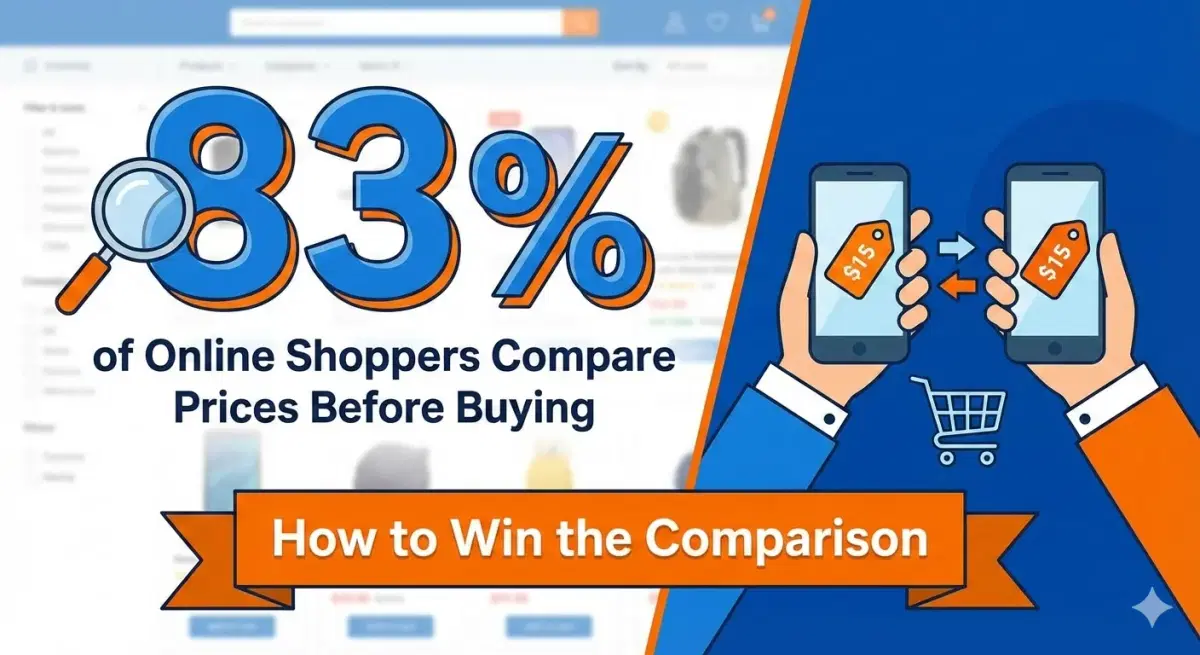
- Competitive pricing (requiring market intelligence)—83% of shoppers compare prices online
- Strong brand positioning
- Effective marketing
How to Capture Your Share of the Growing Market
The opportunity is real, but capturing it requires strategy. Here's what successful dropshippers do:
1. Choose Growing Sub-Niches
Rather than competing in broad categories (all fashion, all electronics), focus on specific sub-niches within growing segments:
Sub-niches offer:
- Less competition
- More passionate customers
- Clearer positioning
- Easier marketing targeting
2. Monitor the Competitive Landscape
In a rapidly growing market, new competitors appear constantly. Old competitors evolve. Prices shift. Products come and go.
Without competitive intelligence, you're operating blind. You need to know:
- What competitors charge for similar products
- When they change prices
- What new products they add
- When they run promotions
Automate Competitor Monitoring
Rivalert automatically tracks competitor Shopify stores, alerting you when they change prices, add products, or run promotions. In a market growing 22% annually, staying informed about competitive moves isn't optional—it's essential.
3. Focus on Unit Economics
Market growth doesn't fix poor unit economics. Before scaling, ensure your numbers work. Dynamic pricing strategies can increase profit margins by 15%—but only if you understand your baseline costs:
4. Build for the Long Term
The 22% CAGR projection extends through 2030. Stores that survive and grow will compound their advantage. This means:
- Investing in supplier relationships
- Building email lists and owned audiences
- Developing brand recognition
- Creating systems that scale
5. Leverage Market Timing
Different categories peak at different times:
- Fashion: seasonal trends, holiday shopping
- Electronics: product launch cycles, back-to-school
- Home goods: moving season, holiday decorating
- Health: New Year resolutions, seasonal wellness
Align your inventory and marketing with market timing.
The Geographic Opportunity
While Asia Pacific leads the market (35.2%), different regions offer different advantages:
North America (31.5% Market Share)
- Highest average order values
- Fastest shipping expectations
- Strong domestic supplier options
- Established ecommerce infrastructure
Asia Pacific (35.2% Market Share)
- Largest market by volume
- Growing middle class
- Manufacturing proximity
- Mobile-first consumers
Europe (24.3% Market Share)
- Diverse markets (language, currency)
- Strong consumer protection regulations
- Growing ecommerce adoption
- Cross-border complexity but opportunity
Industry Trends to Watch in 2026
1. Faster Shipping Expectations
The "Amazon effect" means customers expect fast delivery. Successful dropshippers are:
- Using domestic suppliers where possible
- Offering expedited shipping options
- Setting clear delivery expectations
- Tracking shipments proactively
2. Sustainability Demands
Consumers increasingly consider environmental impact. Opportunities exist in:
- Eco-friendly products
- Sustainable packaging
- Carbon-neutral shipping
- Transparent supply chains
3. Personalization
Generic stores struggle. Winning stores offer:
- Curated product selections
- Personalized recommendations
- Custom product options (print-on-demand)
- Tailored marketing
4. Social Proof Importance
In a crowded market, trust signals matter more. This includes:
- Customer reviews
- User-generated content
- Influencer partnerships
- Professional presentation
5. AI-Powered Operations
2026 will see increased adoption of AI tools for:
- Product research and trend prediction
- Automated customer service
- Dynamic pricing optimization
- Marketing content generation
The Bottom Line: Opportunity Meets Competition
The dropshipping market's trajectory is clear: $435+ billion today, $1.25 trillion by 2030. That's real growth, real opportunity, and a real business model.
But market growth doesn't guarantee individual success. The stores that win will be those that:
- Pick strategic niches within growing categories
- Maintain competitive awareness through systematic monitoring
- Execute on fundamentals (pricing, customer service, marketing)
- Build sustainable advantages (brand, relationships, systems)
- Persist through the learning curve (most failures quit too early)
The market will support more winners. The question is whether you'll be one of them.
Frequently Asked Questions
According to Oberlo/Precedence Research, the global dropshipping market reached an estimated $435 billion in 2025. Projections estimate the market will reach approximately $537 billion in 2026 and exceed $1.25 trillion by 2030 (per Grand View Research). The market is growing at a compound annual growth rate (CAGR) of 22-24%, making it one of the fastest-growing ecommerce segments.
References
- Dropshipping Market Size, Share | Industry Report, 2030 - Grand View Research
- Dropshipping Market Size (2023-2033) - Oberlo
- Dropshipping Market To Reach $1,253.79 Billion By 2030 - Grand View Research Press Release
- 39+ Dropshipping Statistics 2025 (Market Size & Platforms) - GrowthDevil
- Latest Dropshipping Statistics 2026 - StatsUp/Analyzify
- 30+ Dropshipping Statistics You Need to Know in 2026 - AppScenic
- Dropshipping Statistics and Facts (2026) - Market.us
- How Many People Shop Online in the US? - Oberlo/Statista
Try Rivalert Free
Shopify Competitor Price Monitoring. Start your 7-day free trial today.
Start Free Trial